
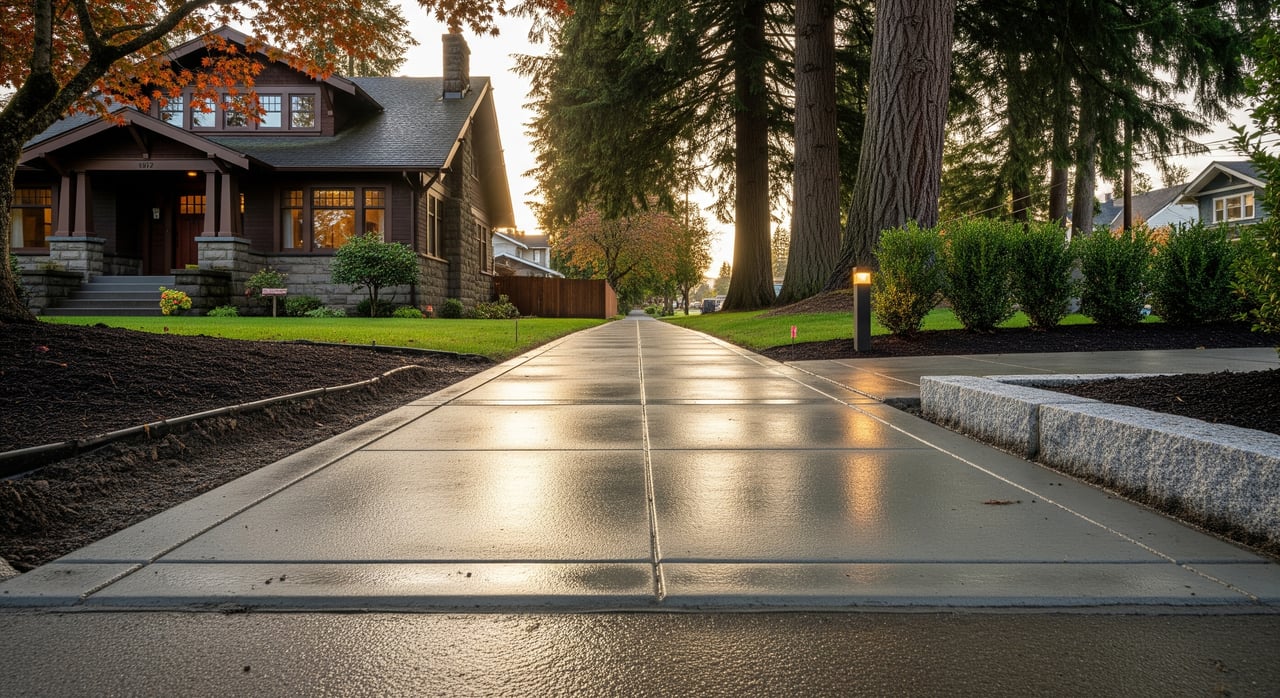
Is a cracked or lifted sidewalk slowing down your plans to sell? You are not alone. Many Longview homeowners are surprised to learn how sidewalk repairs work and what the city expects before you start. In this quick guide, you will learn who is typically responsible, how to spot hazards, what permits you will likely need, and how to keep your sale on track without surprise fines. Let’s dive in.
The short answer: who fixes it
In most Washington cities, including many nearby communities, the property owner next to the sidewalk is responsible for keeping it safe. Cities usually own the public right of way, but they set the rules and expect owners to maintain the sidewalk along their frontage. Longview’s exact requirements live in the Municipal Code and Public Works policies, so you should confirm the current rule with the City before you begin.
There are exceptions. The City may repair or upgrade sidewalks as part of a larger capital project, subdivision work, or when intersections are reconstructed. Accessibility features like curb ramps are often handled during those projects. For most routine issues like cracks, heaving from tree roots, or trip hazards, you should plan on taking the lead.
Why this matters when you sell: visible sidewalk hazards can trigger city notices, complicate buyer financing, and show up in negotiations. If repairs are needed, you will want a clear plan for permits, timing, and documentation.
Spot sidewalk hazards early
You can catch most problems with a simple walkthrough. Look for:
- Vertical displacement where one panel is higher than the next
- Cracked or broken slabs and spalling surfaces
- Uneven joints or gaps that catch toes or stroller wheels
- Poor drainage that causes pooling or slippery moss
- Trip risks at driveway edges or where tree roots push concrete up
Many cities flag offsets in the range of about 1/2 to 3/4 inch as a trip hazard, while others use 1 inch. Thresholds vary, so confirm what Longview uses when you speak with Public Works.
If you see a significant safety risk, call the City to ask about temporary cones or barricades. Then document what you find. Take time-stamped photos of each panel, measure offsets and panel sizes, note the exact location, and keep copies of any notices or emails. Good documentation protects you during permitting and during buyer disclosures.
Permits you will likely need
Most sidewalk work in the public right of way requires a permit from the City before any demolition or pouring starts. Common permits include:
- Right of Way or Street Use permit for sidewalk removal and replacement
- A driveway approach, excavation, or stormwater permit if your project affects those elements
The typical steps are straightforward:
- Contact City Public Works or Engineering to confirm permit types, fees, and submittal requirements.
- Prepare a simple site plan and construction details that show the panels you will replace, dimensions, and any curb or driveway tie-ins.
- Provide contractor information and a traffic control plan if work is near traffic. Plans should follow the Manual on Uniform Traffic Control Devices.
- Wait for permit approval and a permit number. Do not start work early.
- Call 811 before you dig to locate utilities.
- Schedule required inspections, often before the pour and after.
Permit review timelines vary with workload, so build in extra time during busy seasons.
What the City will expect in the work
Cities rely on standard construction details to keep sidewalks consistent and safe. While you should verify Longview’s exact standards, plan for these common requirements:
- Portland cement concrete with typical sidewalk thickness around 4 inches, and thicker sections where a driveway crosses
- Proper base preparation and compaction
- Contraction joints and clean edges that match existing patterns
- Surface finish that provides slip resistance
- Accessible features that meet the 2010 ADA Standards when curb ramps or pedestrian access are affected
- A traffic control setup with signage, cones, and flaggers if work is near the traveled way
- Erosion control and drainage that keep runoff out of storm drains during construction
Inspections are normal. The City may check your forms and base before the pour and then review the finished surface. Work done without permits can be subject to removal or rework, which costs far more than doing it right the first time.
Hire the right contractor
Sidewalk work in the right of way is not the same as pouring a backyard patio. You want a contractor who is licensed, bonded, and experienced with municipal standards. Ask each bidder to confirm that they will:
- Obtain all required City permits and schedule inspections
- Provide the traffic control plan and maintain a safe work zone
- Call 811 and protect utilities
- Follow ADA and City standard details
- Carry the insurance and bonds your permit requires
Get at least three written bids with clear scopes, including demolition, base repair, panel count and size, driveway tie-ins, and cleanup. Ask for recent references for right of way jobs. Keep copies of everything. Those records help with buyer questions and reduce your liability.
Timelines and costs to expect
Replacing a small section of sidewalk often takes a few active workdays. The longer timeline is usually the planning: getting bids, permits, and scheduling inspections, plus concrete curing time. To keep your listing timeline realistic, plan on several weeks from first call to final sign-off.
Costs vary based on how many panels you replace, whether the base needs repair, driveway work, traffic control needs, and contractor availability. Since fees and material prices change, the best approach is to get local estimates and confirm current City fees before you set your budget.
Enforcement and liability basics
Cities have several tools to deal with unsafe sidewalks. You may receive a notice to repair within a set time. If you do not act, the City can arrange the repair and bill you. In some cases, unpaid costs can become a lien. Some jurisdictions also use fines, while others rely on abatement and cost recovery.
There is also potential civil liability if someone is injured due to a known hazard and you did not act. Strong documentation helps. Keep your photos, measurements, notices, permits, and inspection sign-offs. If repairs will take time, let the City know your plan and ask about temporary measures they allow.
Sale and disclosure considerations
When you prepare to sell, disclose known sidewalk issues, any City notices, permits you have pulled, and repairs you have completed. If a special assessment or lien exists for sidewalk work, it usually must be addressed before closing or assigned between buyer and seller during negotiation.
If your timeline is tight, ask the City whether a phased plan or temporary mitigation is acceptable while you finalize permits and scheduling. Clear communication helps you avoid enforcement action and shows buyers that you have a responsible path forward.
Quick checklist for Longview owners
Immediate steps, weeks 1 to 2:
- Walk your frontage and list every hazard with photos, measurements, and locations
- Confirm current City rules on responsibility, hazard thresholds, and permits
- Contact Public Works to ask about any outstanding notices and required permits
If repairs are needed, weeks 2 to 6 plus:
- Call 811 for utility locates before any excavation
- Get three bids from licensed, bonded contractors with right of way experience
- Confirm your contractor will pull permits, provide traffic control, and meet City standards
- Submit permit applications and schedule inspections
- After the pour, collect inspection sign-offs and final invoices for your records
If time or budget is tight:
- Ask the City about temporary hazard mitigation you can use while you plan permanent repairs
When you take a clear, step-by-step approach, sidewalk fixes become one more manageable item on your pre-list checklist.
Ready to time your repairs with your sale plan or want a second set of eyes on curb appeal? Reach out for local guidance and a data-backed pricing strategy. Request a free home valuation and local market consultation from Unknown Company.
FAQs
Who pays for sidewalk repairs during a home sale in Longview?
- In many Washington cities the adjacent property owner maintains the sidewalk, but confirm Longview’s current rule with City Public Works and the Municipal Code before you act.
What offset counts as a sidewalk trip hazard in Longview?
- Many cities use offsets around 1/2 to 3/4 inch as hazards and some use 1 inch, so verify Longview’s threshold with Public Works to ensure your repair meets expectations.
Do I need a permit to replace a single sidewalk panel in Longview?
- Work in the public right of way usually requires a City permit, inspections, and a traffic control plan, even for one panel, so contact Public Works before starting.
Can the City fix my sidewalk and bill me if I do nothing?
- Cities often use abatement, where they perform the repair and recover costs from the property owner, and unpaid costs can sometimes become a lien.
How long does a typical sidewalk repair take from start to finish?
- The active construction is short, but permitting, scheduling, and curing push the timeline to several weeks, so plan ahead if you are preparing to list.