
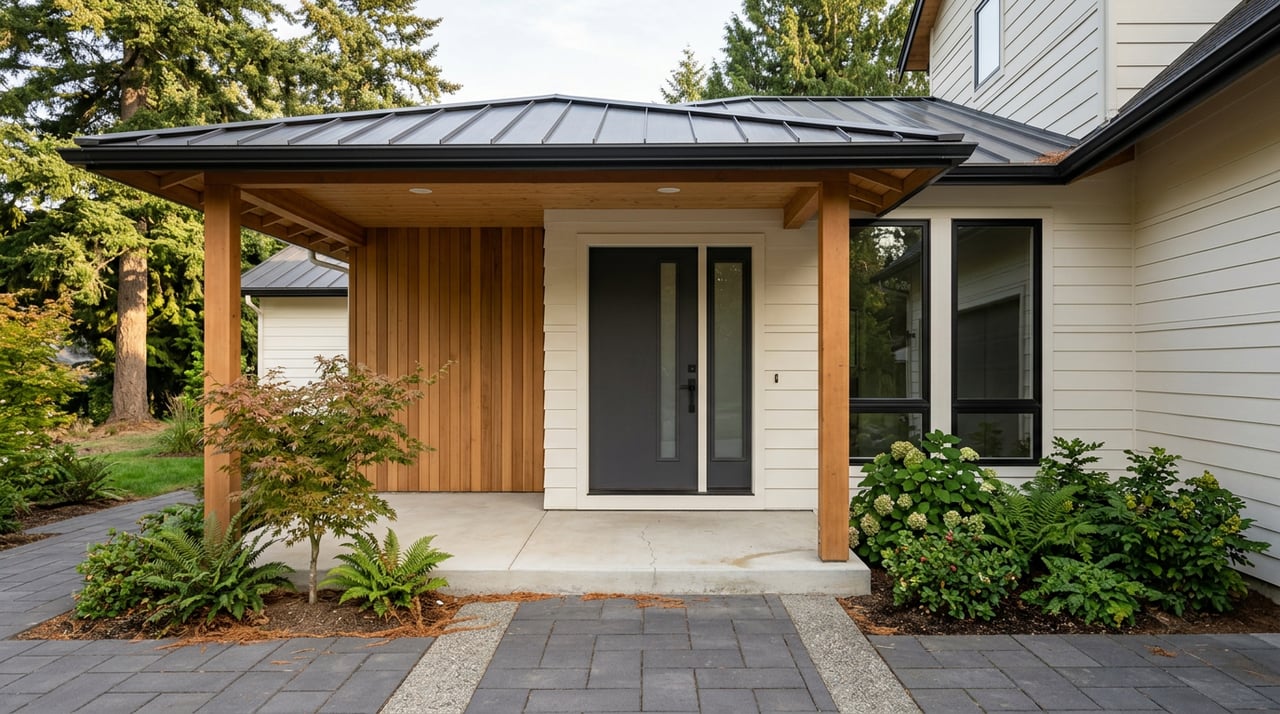
Sharing a home with parents or adult children can be a smart way to live well and manage costs in Clark County. If you want space, privacy, and flexibility, Hockinson’s larger lots and semi-rural setting can be a great match. In this guide, you will learn the floorplans that work best for multigenerational living, key Clark County rules for ADUs, what lenders consider, and a practical checklist for touring homes. Let’s dive in.
Why Hockinson fits multigenerational life
Hockinson sits in unincorporated Clark County with a semi-rural feel, larger parcels, and a community identity linked to the Hockinson School District. The area functions as part of the Vancouver–Portland metro, so you balance quiet living with regional access. You will often find properties with room for an attached suite, a basement conversion, or a detached ADU, subject to county permits.
If you want a quick sense of the community, the district’s overview page offers helpful local context on the area’s semi-rural character and amenities. Explore the Hockinson community overview for a neutral snapshot of the area’s identity and setting. You can start with the district’s summary on the Hockinson School District community page.
Common multigenerational floorplans
Attached private suite
An attached suite is a “home within a home” that often includes a living area, kitchenette, bedroom, bathroom, and laundry. Many designs add a private exterior door and a lockable interior connection. This setup offers privacy and close proximity.
Detached ADU
A detached accessory dwelling unit is a stand-alone cottage or converted outbuilding with its own living space, bath, and kitchenette. In Clark County, detached ADUs must follow placement, size, and utility rules. Confirm your parcel’s zoning and setbacks before you plan one. See the county’s urban ADU handout for the latest details on allowed forms and placement rules in urban zones. Review the county’s guidance in the Clark County ADU handout.
Basement or above-garage ADU
Internal conversions can create an independent living space while keeping one property. Expect code items like egress windows, fire separation, and possibly stair upgrades. Always budget for permits and inspections.
Main-level bedroom or single-level living
Single-story homes and “owner’s suite on main” plans are popular for aging parents and caregivers. They keep daily needs on one level and reduce the need for lifts or stair solutions.
Flexible bonus spaces
Bonus rooms, finished basements, and lofts can serve as extra living rooms, offices, or guest suites. With a wet bar or kitchenette and a nearby bath, they can become a confident multigenerational setup.
Features that matter day to day
- Separate sleeping and living areas, ideally with an en-suite bath.
- A kitchenette or wet bar for light cooking and autonomy.
- Independent access, such as a private exterior door or separate garage bay.
- Sound separation with added insulation, and if feasible, separate HVAC zones.
- Universal design features for safety and aging in place, such as step-free entries, curbless showers, lever handles, and wider doors. For a practical overview of safety and support features, review AARP’s guidance on caregiver-friendly and aging-in-place home design.
Clark County ADU rules to know
Clark County recognizes different ADU types, including internal conversions, additions, attached units, garage conversions, and detached backyard cottages. In certain zones, up to two ADUs may be allowed on a lot that has a single-family home. The county sets ADU size limits, often around 1,000 square feet, with allowances up to 1,500 square feet on larger lots. Always confirm the exact size and combined-unit caps for your parcel in the latest county handout. See the current summary in the Clark County ADU handout.
Every ADU requires a building permit and inspection, and the unit cannot be occupied until a Certificate of Occupancy is issued. Some applications require a recorded deed covenant that the owner will occupy one of the dwellings on the lot. Parking and other conditions may also apply. For these items, review the county’s ADU permit guidance and examples in this additional Clark County ADU reference.
Utilities matter. In most cases, ADUs must connect to public water and sewer unless the county grants a waiver. Your water or sewer purveyor must approve service capacity before permits are issued. Impact fees and other permit fees can apply, so plan for those in your budget. The county’s ADU handout outlines the utility review and impact fee notes in detail.
If you need in-person help, Clark County Permit Services is located at the Public Service Center, 1300 Franklin St., Vancouver. The permit center listed in the handout can confirm zoning, size limits, utility requirements, and submittal steps for your specific parcel.
Financing, appraisal, and taxes
If you plan to count ADU or boarder income in your loan, know that both Fannie Mae and Freddie Mac allow certain ADU or boarder income for qualifying, with documentation rules and adjustments that vary by program. Fannie Mae shares examples of how rental or boarder income can be documented and applied. Review the high-level guidance in Fannie Mae’s overview of rental and boarder income flexibilities. Freddie Mac offers a concise ADU fact sheet and appraisal checklist that can help you and your lender plan. See Freddie Mac’s ADU fact sheet.
If you are buying a home that needs conversion work, ask your lender about renovation loan options. Some conventional and government-backed renovation programs can help finance an internal ADU or a suite conversion. Availability and underwriting vary by lender and product, so get pre-approved with your intended plan in writing.
Expect your property’s assessed value to change if you add an ADU or complete a major remodel. The Clark County Assessor explains how improvements affect assessed value and how to appeal if needed. Review the assessor’s guidance on assessed values and appeals and plan a tax check early in your project.
How to evaluate a Hockinson home
Layout and privacy
- Is there a main-level bedroom with a full bath, or a room that can convert without major structural changes?
- Could a bonus room, finished basement, or over-garage space become a private suite with minimal work?
- Is there space for a private exterior entrance or a side path to a future ADU? Confirm placement and setbacks in the county ADU handout.
- Is there room for a second laundry near the suite?
- Is on-site parking adequate for two households? In some cases, the county may require on-site parking if on-street options are limited. See examples in the county’s ADU reference.
Accessibility and safety
- Look for or plan a step-free entry and wide doorways.
- Prioritize bathrooms that can fit a curbless shower and allow for grab bars.
- Check lighting and flooring for trip hazards, and verify secure railings where needed.
- Aim for single-level living for at least one household if possible. For a practical overview, see AARP’s summary of aging-in-place safety features.
Mechanical systems and utilities
- Does the home have zoned heating and cooling, or a practical way to add a second zone?
- If you intend to rent the ADU or split utilities, ask the local purveyor about metering options and policies. Clark County requires purveyor approvals and utility review before ADU permits are issued. See the county ADU handout for utility steps.
Code, permits, and structure
- Will your plan trigger structural changes, new egress windows, or fire separations? That usually means a full permit and final inspection before occupancy.
- Confirm floodplain, easements, and whether the property is on public sewer or septic. ADU rules generally require public water and sewer unless a waiver is granted. Details are in the county ADU handout.
Neighborhood and lifestyle fit
- Consider how two households will share or separate outdoor spaces.
- Plan for privacy using site orientation, fencing, and plantings.
- Weigh drive times to medical, work, and school needs. Hockinson offers proximity to Vancouver and Portland services, with regional planning documents outlining connections across the area. For a regional context, see the Gorge regional transportation plan overview in this HSTP summary.
Local pros and resources
- A local real estate agent experienced with multigenerational buyers for candid floorplan advice and realistic conversion pathways.
- A mortgage lender who understands ADU and boarder income rules under Fannie Mae and Freddie Mac. Start with a pre-approval that reflects your actual plan. Review Fannie’s overview of rental and boarder income flexibilities and Freddie’s ADU fact sheet.
- An architect or licensed remodeler, ideally a Certified Aging-in-Place Specialist, to plan accessibility and code compliance. Learn about the NAHB CAPS credential.
- Clark County Permit Services for parcel-specific ADU rules, utility steps, and submittal requirements. Start with the county ADU handout.
- Clark County Assessor for assessed value changes and appeals. See the Assessor’s page.
Quick printable checklist
- Layout: main-level suite or space that converts without major structure changes.
- Privacy: separate entrance path, potential for sound insulation, and lockable connection.
- Accessibility: step-free entry, wider doors, and a bath that can fit a curbless shower.
- Utilities: space for a second laundry, plan for zoned HVAC, and purveyor approvals for ADUs.
- Permits: confirm ADU size limits, setbacks, parking, and occupancy steps in county handouts.
- Financing: ask your lender how ADU or boarder income might count and what documentation is needed.
- Taxes: expect assessed value to change with an ADU or major remodel; plan a tax check with the county.
Ready to find your fit?
If multigenerational living is your goal, the right Hockinson home can make all the difference. From main-floor suites to future-ready ADU sites, thoughtful choices now can support comfort, privacy, and long-term value. If you want a clear, local plan for your search or a seller strategy that highlights multigenerational potential, connect with Karen Higgins. Bold next step: Request a free home valuation and local market consultation.
FAQs
What makes a Hockinson property good for multigenerational living?
- Larger lots, semi-rural settings, and common single-family homes make it easier to add or adapt space for an attached suite or ADU with proper permitting.
Are detached ADUs allowed in Hockinson under Clark County rules?
- Yes, detached ADUs are an allowed form in the county with placement, size, and utility requirements set by code; see the Clark County ADU handout.
How big can an ADU be in Clark County?
- Size limits commonly cap around 1,000 square feet, with allowances up to 1,500 square feet on larger lots; confirm the exact limit for your parcel in the county handout.
Do I need a permit and Certificate of Occupancy for an ADU?
- Yes, ADUs require a building permit and cannot be occupied until final inspection and a Certificate of Occupancy are issued by the county.
Is an owner-occupancy covenant required for an ADU?
- Some applications require a recorded deed covenant stating that an owner will live in one of the dwellings on the lot; see the county’s ADU reference.
Can I use projected ADU rent to help qualify for a mortgage?
- Lenders can sometimes count ADU or boarder income under Fannie Mae and Freddie Mac rules, with documentation and adjustments; confirm specifics with your lender and review Fannie’s income guidance.
Will adding an ADU increase my property taxes in Clark County?
- New construction and major improvements typically increase assessed value, which can raise property taxes; review the county’s Assessor page for guidance and appeal steps.
Do I need separate utilities for an ADU in Clark County?
- The county requires water and sewer purveyor approval and often public connections for ADUs unless a waiver is granted; check the county ADU handout for utility and capacity review steps.