
Choosing between East and West Vancouver can feel harder than it sounds. One side may offer larger lots and a more suburban layout, while the other may put you closer to downtown, the waterfront, and older homes with established character. If you are trying to match your budget, commute, and lifestyle to the right part of Vancouver, this guide will help you compare the two in a practical way. Let’s dive in.
East vs. West Vancouver at a Glance
East and West Vancouver are useful ways to describe broad patterns, but they are not a perfect split. City planning materials use east and west as practical zones in some cases, and the area between I-5 and I-205 can feel more mixed depending on the neighborhood.
That matters when you start your home search. Rather than thinking in strict lines, it helps to think in tendencies. East Vancouver often feels more suburban, while west and close-in central Vancouver often feel older, closer in, and more connected to downtown amenities.
What East Vancouver Often Offers
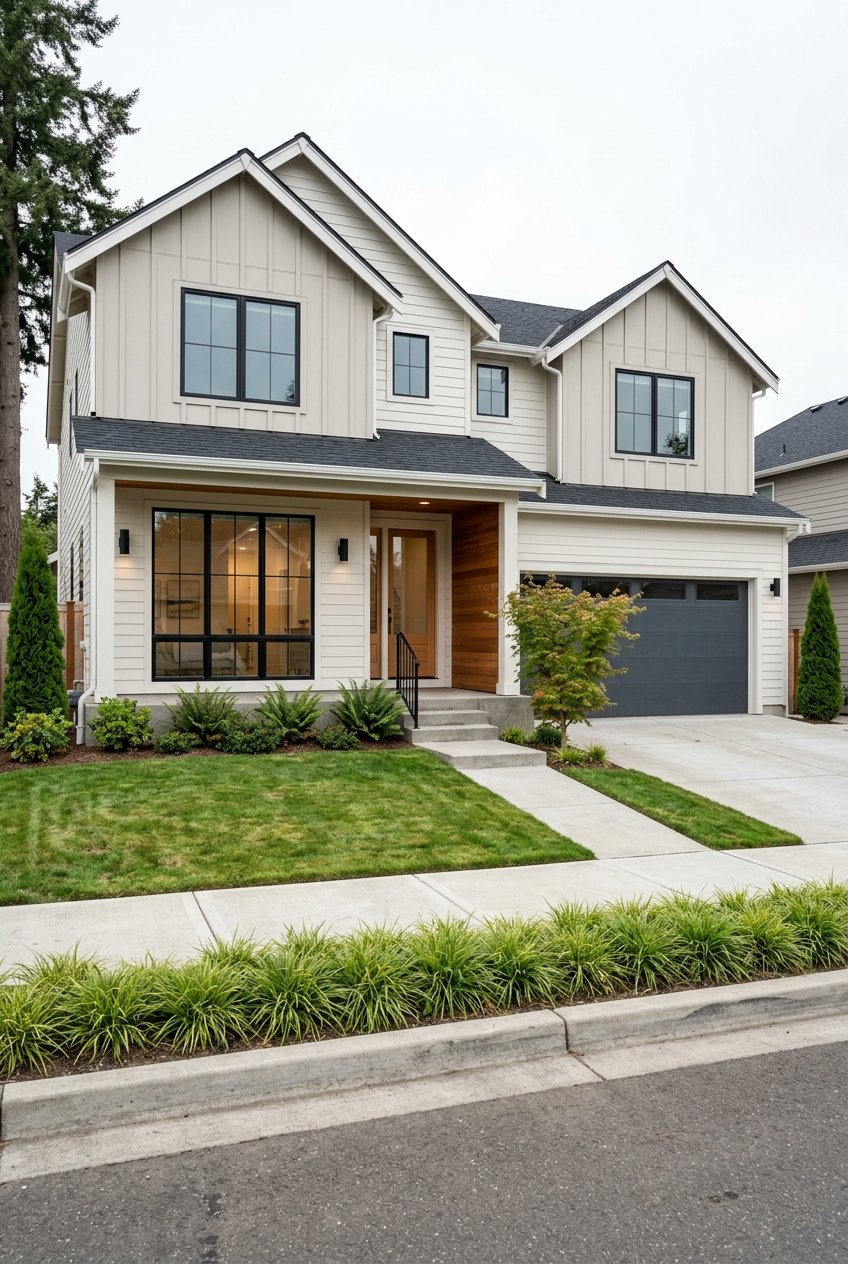
East Vancouver neighborhoods often show a more suburban pattern in the city’s neighborhood descriptions. You will see more examples of larger lots, newer or newer-era homes, and street layouts with cul-de-sacs, loops, and quieter residential pockets.
Neighborhoods like Landover-Sharmel, Fircrest, Riverview, Countryside Woods, and Northfield reflect that pattern in different ways. Some include classic 1970s homes, some have later construction from the 1990s forward, and some mix single-family homes with duplex condominiums or apartment communities.
Larger Lots and Newer-Era Homes
If yard space is high on your list, East Vancouver may deserve a closer look. City neighborhood descriptions more often connect the east side with large lots and a lower-density suburban feel.
That does not mean every east-side home will have a large yard or newer finishes. It means your odds may improve if you are looking for that type of setup, especially compared with close-in west-side neighborhoods where lots are often smaller and the housing stock is older.
Everyday Convenience on the East Side
East Vancouver is not just about residential streets. It also has practical daily-use destinations that many buyers care about, including shopping, restaurants, parks, and community facilities.
The city identifies Firstenburg Community Center as serving East Vancouver, and the aquatics page places the Firstenburg pool there as well. In Fircrest, city materials point to Mill Plain retail, the Cascade Park Community Library, and Firstenburg Community Center, while Northfield notes shopping and restaurants within walking distance.
East Vancouver Commute Patterns
For many buyers, commute flow can shape the entire search. East Vancouver is often tied more closely to I-205 and SR 14.
According to WSDOT data cited in the city and state materials, the 8-mile morning commute on I-205 averaged 14 minutes in 2023, and the 7-mile Camas-to-I-205 trip on SR 14 averaged 10 minutes in 2023. The city also describes the SE 192nd Avenue and SR 14 interchange as an eastern gateway with access to downtown Vancouver, Portland International Airport, eastern Vancouver, and Camas within minutes.
What West and Central Vancouver Often Offer
West and close-in central Vancouver tend to appeal to buyers who want a more established setting. In the city’s neighborhood descriptions, these areas more often feature older homes, mature trees, smaller lots, and easier access to downtown Vancouver.
Neighborhoods such as Arnada, Hough, Central Park, Hudson’s Bay, Shumway, and West Minnehaha show many of these patterns. Housing styles and ages vary, but the overall feel often leans more historic, more connected, and more urban than what you may find farther east.
Historic Character and Close-In Living
If you love the idea of vintage homes or established streetscapes, west and central Vancouver may stand out. Arnada is described as one of the city’s oldest neighborhoods, while Hough has one of Vancouver’s strongest concentrations of pre-World War II housing and early 20th-century styles.
Central Park is noted as an older neighborhood with little vacant land and small lots. Hudson’s Bay blends older homes, historic Officer’s Row, modest postwar houses, and multifamily uses, which gives buyers a wider mix of home types in a close-in location.
Walkability, Downtown, and the Waterfront
West Vancouver has strong anchors for buyers who want close-in convenience. The city describes Downtown or City Center as Vancouver’s commercial, cultural, financial, and municipal center, with small shops, restaurants, entertainment, riverfront areas, Esther Short Park, the Farmers Market, Amtrak, and The Vine bus rapid transit line.
The Heights District is described by the city as a walkable mixed-use neighborhood with stores, restaurants, parks, schools, and transit within a 20-minute walk. Uptown Village is also described as a walkable shopping and dining district with new multifamily growth.
West Vancouver Commute Patterns
West-side commuting is more closely tied to I-5. The city’s Westside Mobility Strategy focuses on neighborhoods and industrial areas west of I-5, and WSDOT identifies the I-5 corridor between the Interstate Bridge and the I-205 interchange as a key commute corridor.
WSDOT reports that the 8-mile morning trip on I-5 from the I-205 interchange to the Interstate Bridge averaged 14 minutes in 2023. If your routine is centered on downtown Vancouver, bridge access, or other west-side destinations, this can be an important factor.
How Housing Style Changes by Side
One of the biggest differences buyers notice is the age and layout of the housing stock. East Vancouver often includes more contemporary or later-built homes, along with suburban subdivisions and larger lots.
West and central Vancouver often include older homes, smaller lots, and a denser street pattern. If you are deciding between move-in-ready suburban layouts and the character of older homes near the city core, this is where your preferences start to matter most.
What the Mixed Middle Means
Not every neighborhood fits neatly into east or west. The area between I-5 and I-205 can be its own category, and that is important to remember if you want flexibility.
Bagley Downs, for example, sits between the two interstates and combines multifamily and single-family housing. The Fourth Plain corridor also includes apartments, single-family homes, and transit-oriented redevelopment, so buyers shopping in this middle section should look closely at each neighborhood rather than rely on a broad label.
Budget Expectations Across Vancouver
Budget is where neighborhood-level detail becomes essential. City planning analysis says Vancouver’s housing stock is about 56% single-detached, 27% multifamily, and 18% plex housing, with 44% of units having more than one unit.
The same analysis says 79% of new unit permits over the prior three years were in multifamily development, with apartment construction concentrated downtown and in clusters along Fourth Plain Boulevard and I-205. That gives you a sense of where newer housing options may be appearing, especially if you are open to attached or multifamily formats.
For pricing context, the city’s planning analysis cited a June 2023 median home sale price of about $477,000 in Vancouver, roughly $50,000 below Clark County overall at that time. Still, actual prices can vary a lot based on lot size, home age, views, and how close a property is to downtown, the river, or major roads.
Which Side May Fit Your Priorities
If you want larger yards, newer or newer-era homes, and easier access to I-205 or SR 14, East Vancouver may be the better match. Buyers often start there when they want more suburban street patterns and practical access to east-side amenities.
If you want older homes, established neighborhoods, closer-in convenience, and stronger walking or transit potential in inner neighborhoods, west or central Vancouver may feel like a better fit. Buyers who enjoy being near downtown, Uptown, the waterfront, or older tree-lined streets often lean this direction.
Neighborhoods to Shortlist First
If you want a practical starting point, these neighborhoods are useful examples based on the city’s published descriptions.
East Vancouver Shortlist
- Landover-Sharmel
- Fircrest
- Riverview
- Northfield
- Countryside Woods
West and Central Vancouver Shortlist
- Arnada
- Hough
- Central Park
- Hudson’s Bay
- Shumway
- West Minnehaha
Mixed-Area Neighborhoods to Study Closely
- Bagley Downs
- Fourth Plain corridor
How to Narrow Your Search
A smart home search usually starts with your non-negotiables. Think about where you need to go most often, how much outdoor space matters, what home style you prefer, and whether you want to be near downtown activity or in a more suburban setting.
From there, compare neighborhoods in person if you can. The difference between east and west Vancouver is real, but the best match usually comes down to the block-by-block feel, home type, and daily routine that suits you best.
When you want neighborhood-specific guidance, local context makes a big difference. Karen Higgins brings decades of Clark County knowledge and a patient, hands-on approach to help you compare Vancouver neighborhoods and find the right fit for your next move.
FAQs
How do East and West Vancouver neighborhoods differ for homebuyers?
- East Vancouver often trends toward larger lots, newer or newer-era housing, and I-205 or SR 14 access, while west and central Vancouver often offer older homes, closer-in convenience, and stronger access to downtown, I-5, walking, biking, or transit in some areas.
Which Vancouver side has more walkable neighborhoods for buyers?
- In the city’s examples, west-side and downtown neighborhoods more often support walking, bicycling, or transit use, though some east-side areas such as Northfield and Fircrest also have services within walking distance.
Which Vancouver side tends to have larger yards for buyers?
- East-side neighborhood examples more often include larger lots and suburban-style layouts, while close-in west-side neighborhoods more often feature older homes on smaller lots.
Is commuting easier from East or West Vancouver for buyers?
- Not always. East Vancouver is generally tied more closely to I-205 and SR 14, while west and central Vancouver are generally tied more closely to I-5, downtown, and bridge access.
Which Vancouver neighborhoods are good starting points to compare east and west areas?
- Useful east-side examples include Landover-Sharmel, Fircrest, Riverview, Northfield, and Countryside Woods, while west and central examples include Arnada, Hough, Central Park, Hudson’s Bay, Shumway, and West Minnehaha.
Are there Vancouver neighborhoods that do not fit neatly into East or West?
- Yes. Areas between I-5 and I-205, including Bagley Downs and the Fourth Plain corridor, are good examples of mixed neighborhoods that should be evaluated more closely on their own merits.